

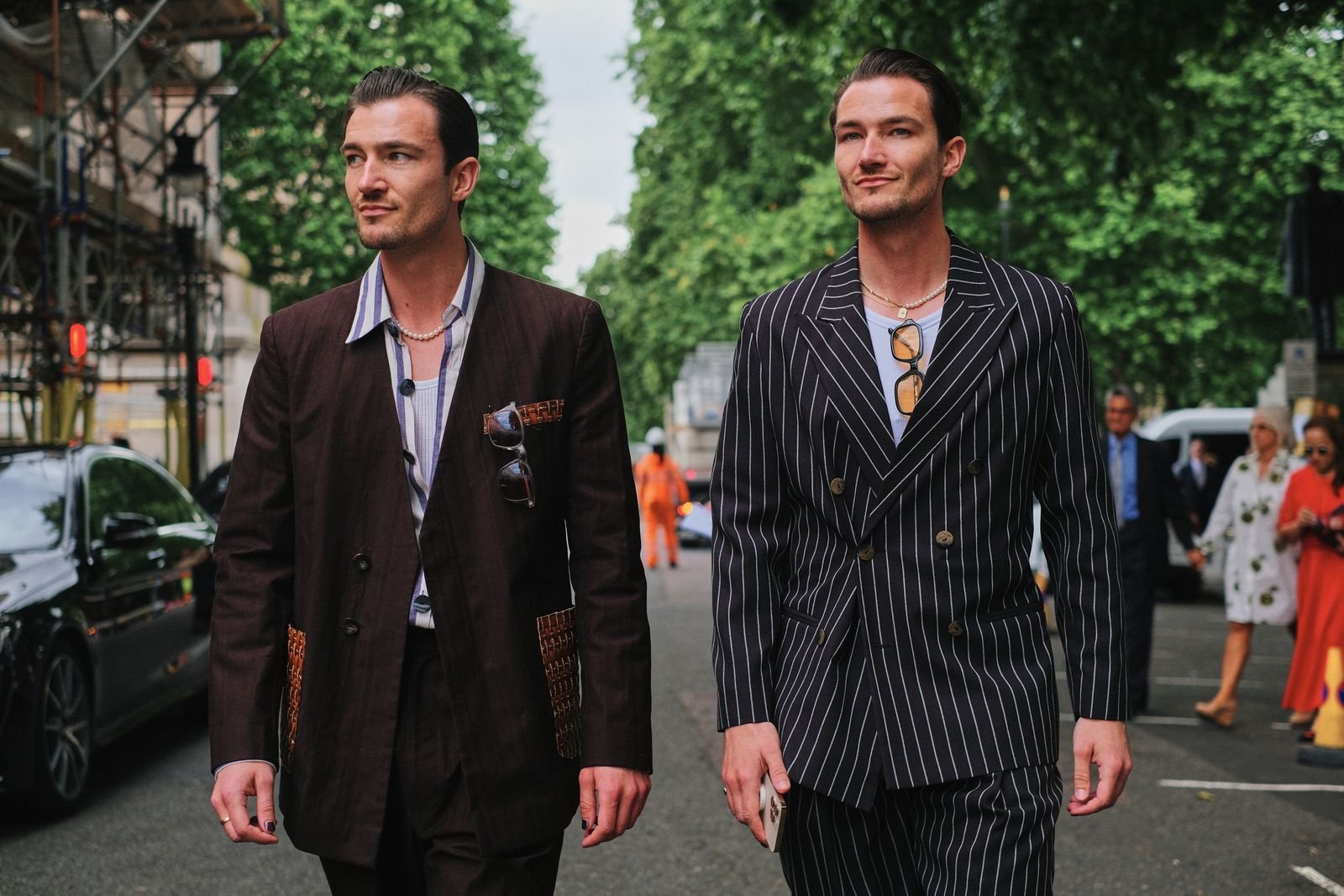
A seismic shift is occurring in how the world dresses, driven not by a single silhouette or hemline but by a confluence of technology, cultural reclamation, and a demand for ethical responsibility. This evolution moves fashion from a top-down dictate to a complex conversation. The modern wardrobe, and the clothing styles that fill it, are increasingly expressions of identity shaped by algorithms, heritage, and personal values, marking a departure from the previous era of passive consumption.
The AI Runway: How Technology is Dictating Trends
The traditional fashion calendar, once dictated by the whims of a few influential designers, is now being disrupted by a powerful new stylist: artificial intelligence. The influence of AI is moving from a futuristic concept to a foundational element of the industry, fundamentally altering how trends are born and how consumers discover them. The shift is so profound that industry experts describe it as a move from a “product-oriented” to a “system-oriented” logic .
In the design studio, generative AI has become a collaborative tool. Designers are no longer solely reliant on their own sketches and mood boards; they are using AI to process vast amounts of historical data and current trend forecasts, generating a multitude of design options in moments . This “human-machine collaborative model” significantly accelerates the creative process, allowing designers to overcome creative blocks and explore a wider range of ideas quickly . Furthermore, 3D modeling technology allows for the simulation of fabrics and fit in a virtual environment, dramatically reducing the need for physical samples and streamlining the path from concept to production . This shift is not about replacing human creativity but augmenting it, allowing designers to focus on refining and curating ideas rather than starting from scratch.
Perhaps even more revolutionary is AI’s impact on how consumers find fashion. The “search” for a new look is being replaced by the “recommendation.” Data from McKinsey shows that by mid-2025, 53% of US consumers were already using generative AI to assist with shopping . This technology is acting as a new gatekeeper; brands must now optimize their data and digital presence to be “recommended” by AI algorithms. Consumers are more likely to trust AI search results than traditional advertising, which forces brands to become “a source of knowledge” that is worthy of being cited by AI systems . This marks a fundamental shift in marketing, where brand visibility is increasingly tied to digital credibility in the eyes of an algorithm rather than a human audience.
The Neo-Chinese Style Movement: A Cultural Reckoning
Parallel to the technological revolution is a powerful cultural one, as seen in the meteoric rise of Neo-Chinese Style clothing. This aesthetic, which incorporates traditional elements like the Mandarin collar and frog buttons, is not just a niche trend but a significant global movement, particularly popular in 2026 . Major retailers like Zara have embraced the look, selling “Mandarin jackets” that blend Eastern and Western tailoring, which have become bestsellers and even featured in prominent store window displays . This demonstrates a growing consumer appetite for designs that tell a story and possess cultural depth.
This movement, however, is not without its complexities, sparking vital conversations about cultural appreciation versus appropriation . While many celebrate the mainstreaming of these beautiful styles, others, like content creator Vanessa Li, argue that there is a “fine line” between appreciation and appropriation . The concern is that brands often profit from cultural heritage without acknowledging its origins or properly crediting the culture it comes from, reducing thousands of years of history and craftsmanship to a fleeting trend . This has led to calls for consumers to be more mindful, not just viewing the fashion as a trend but as part of a deep cultural narrative, and to support authentic designers from the source culture.
The Folklore Revival: Heritage as a New Aesthetic
This interest in cultural heritage isn’t confined to China. Across the globe, a broader “folkloric turn” is taking place in fashion, where designers are reaching back to their cultural roots as a source of inspiration and identity. This movement has been described as “Lorecore,” a phenomenon within digital capitalism where people are driven to “storify” themselves in an era of collapsing global narratives . It’s a search for authenticity and connection in an increasingly fragmented world.
The work of Irish designer Simone Rocha is a prime example of this trend. Her Autumn/Winter 2023 collection, titled “Lughnasadh” after the Celtic harvest festival, was a profound exploration of Irish mythology and rituals, featuring traditional crafts and symbols reimagined for the runway . This return to folklore is seen as a response to globalization and secularization, creating an aesthetic interest in the “traditional” beliefs and customs of a specific community . For designers, it offers a way to engage with “fashion time” differently, fostering deeper engagement with cultural heritage and sustainability as they value provenance and craftsmanship over disposable trends.
The Consumer Paradox: Navigating Ethics and Aesthetics
While there is a clear trend toward fashion with meaning and cultural significance, a deep-seated paradox persists in consumer behavior. Generation Z, for instance, is both the most promising market for sustainable fashion, being three times more willing to pay extra for environmentally friendly products than Baby Boomers, and a primary consumer of fast fashion . This apparent contradiction has been termed the “attitude-behavior gap,” where consumers express pro-sustainability values but struggle to translate them into consistent purchasing decisions.
Research highlights several factors that contribute to this gap, including limited economic resources, a perception that sustainable fashion is less accessible, and ingrained consumption habits . Many young consumers acknowledge that sustainability is important but are often unwilling to forgo the thrill of the new, low-cost trends that fast fashion provides. This has led to a market where sustainable and fast fashion “coexist” and compete for the same consumer’s attention . Bridging this gap is one of the industry’s greatest challenges, requiring not just better products but a fundamental shift in consumer mindsets about value and consumption.
Sustainable Solutions: The Business of Doing Good
In response to consumer demand and the undeniable environmental impact of the industry, major players are finally committing to systemic change. A report from the Ellen MacArthur Foundation reveals that less than one percent of clothing is recycled, highlighting the immense scale of the problem . To address this, a powerful coalition of brands, including Nike, H&M, Burberry, and Gap, has joined the “Make Fashion Circular” initiative to tackle waste at the design stage . The goal is to create an “unstoppable momentum” towards a circular economy where clothes are designed to be reused and never become waste.
This collaborative approach is critical, as H&M’s sustainability chief noted that “there is no single company that can solve the challenge of shifting the whole industry from a linear to a circular business model on its own” . The initiative is a recognition that tackling sustainability requires a collective effort to reimagine materials, design, and business models. H&M has already set a target of using only recycled or sustainably sourced materials by 2030, and currently, 35% of its garments are produced that way . This demonstrates that while the goal is significant, tangible progress is being made.
From Size Zero to Body Positive: An Industry Reckoning
The conversation about fashion’s ethics has also extended to its portrayal of the human body. In a landmark move, Paris Fashion Week enforced a charter in 2026 banning “size-zero” models, following an initiative led by parent companies LVMH and Kering . This new charter bans models under the age of 16 for adult shows and prohibits the use of models below a French size 34 (or 32 for men), which effectively outlaws the US size zero .
For decades, the industry has been criticized for perpetuating unattainably thin ideals that contribute to eating disorders. Model Danielle Ellesworth described the change as a way to help models avoid “harming their bodies to fit the standard” . While some designers defended the use of extremely slender frames, arguing that it provides a “blank canvas” for the clothing, the new policy is seen as a crucial first step. Designers like Stella McCartney have been vocal advocates, emphasizing that the entire ecosystem—from designers and casting directors to models and agents—must take responsibility for fostering a healthier work environment .
Practical Takeaways for the Conscious Consumer
The fashion landscape in 2026 is more complex and more exciting than ever. For the modern consumer, this means it’s also more demanding. It requires a shift from passive buyer to active participant, making choices that reflect personal style and broader values. The era of the simple trend is over; the future of style is active, thoughtful, and deeply personal.
- Embrace Digital Discovery: Use AI-powered shopping tools not just for finding a deal, but for discovering brands and styles that align with your specific aesthetic, cultural interests, or ethical concerns. AI can help you move beyond generic trends.
- Value Cultural Authenticity: Before buying a garment inspired by a culture not your own, research its origins. Look for brands that actively collaborate with designers from that culture and tell the story behind the craft.
- Invest in Longevity: Prioritize quality over quantity. By choosing garments you intend to wear for a long time, you can reduce the disposable cycle and invest in timeless clothing styles that transcend seasons.
Key Takeaways
- Tech-Powered Personalization: AI is revolutionizing fashion from design to discovery, making personalization and trend prediction more scientific.
- The Cultural Comeback: There is a powerful movement towards clothing styles that celebrate cultural heritage, such as Neo-Chinese Style and the broader folkloric revival.
- The Sustainability Paradox: A significant gap exists between consumers’ stated desire for sustainable fashion and their continued spending on fast fashion.
- Industry Accountability: Major brands and events like Paris Fashion Week are taking concrete steps towards sustainability and healthier representation, signaling a move towards systemic change.
FAQ: Your Questions About Modern Fashion, Answered
What are the key clothing styles dominating fashion in 2026?
The current landscape is diverse, blending trends from past decades, cultural heritage, and future-forward tech. Major categories include casual, formal, streetwear, vintage, and sporty styles. However, the most notable 2026 trends are “Neo-Chinese Style,” “Folkloric” and heritage-inspired looks, “Techwear” inspired by digital aesthetics, and eco-minimalism . The key shift is a move away from monolithic trends toward a mix of personal expression, cultural appreciation, and functionality.
How is AI influencing current clothing styles and fashion trends?
Artificial intelligence is changing the game at every level. It is used to generate design ideas and simulate garments in 3D, which speeds up production and reduces waste . More importantly, it’s changing how people find clothing, as 53% of US consumers are using generative AI to assist with shopping, making brands more reliant on AI recommendations than traditional ads . This means AI is not just predicting trends, but actively creating a new system of discovery.
What is the Neo-Chinese Style movement in fashion?
“Neo-Chinese Style” refers to a contemporary fashion trend that incorporates traditional Chinese design elements like Mandarin collars, frog buttons (pankou), and horse-face skirts into modern, Western-style garments . It has become a major global trend in 2026, popularized by brands like Zara and Adidas. While it’s celebrated for bringing beautiful Chinese aesthetics to a global audience, it has also sparked debate about cultural appropriation versus appreciation, highlighting the need for brands to credit their inspirations .
Why are sustainable and ethical fashion practices becoming more important?
The fashion industry is one of the most resource-intensive and polluting in the world, with less than 1% of clothing currently being recycled . This, combined with the harmful social impacts of fast fashion, from labor violations to fostering unhealthy body image, has led to a consumer and industry-wide reckoning . This has resulted in initiatives like the “Make Fashion Circular” program that brings together major brands to rethink the system . Consumers are also more aware of these issues, even if they don’t always act on them .
What is the “folkloric turn” mentioned in the article?
The “folkloric turn” is a term used to describe a recent trend in contemporary fashion where designers are increasingly drawing inspiration from the traditional beliefs, customs, crafts, and histories of their own cultures or specific communities . This is seen as a response to globalization and the digital age, where people are seeking more authentic, meaningful connections to their heritage . Simone Rocha’s “Lughnasadh” collection, which drew on Irish Celtic rituals, is a key example .
What progress is being made for body diversity in fashion?
Significant progress is being made, most notably the 2026 Paris Fashion Week charter banning “size-zero” and underage models, a result of the initiative by LVMH and Kering . While it is not a universal industry standard yet, it is a strong signal from major players that the industry’s standards are changing. This follows years of activism and commentary from both models and designers about the link between unattainable beauty standards and eating disorders .
The Future of Style is Not a Single Trend
The fashion world is no longer a monolith dictating a singular look. The future of clothing styles is a mosaic, shaped by data, cultural pride, ethical production, and a desire for garments that tell a story. The conversation has changed from “What’s in?” to “What matters?” It is a dynamic, challenging, and ultimately more democratic space where consumers have more power than ever to define their own style and support the kind of world they want to dress in.
This is an invitation to become a more active and intentional participant in fashion, to move beyond the surface of trends and engage with the rich, complex narrative of what we choose to wear.
You Mey Olso Read
The Ultimate Guide to the Best Haircuts for Diamond Face Shape
