

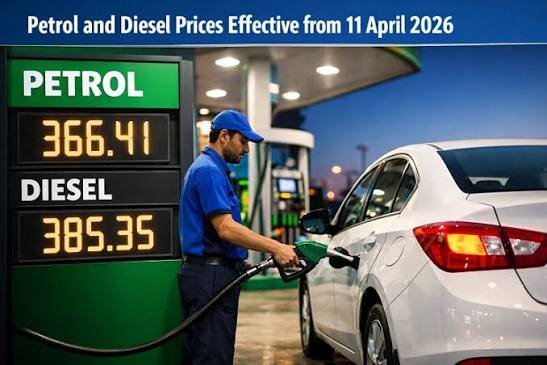
The news hit Pakistani consumers like a sudden jolt: petrol prices were being revised upwards by Rs5.44 per litre, while high-speed diesel (HSD) saw a staggering increase of Rs31.05, effective from July 18, 2026. This was not just another routine adjustment. It was a stark signal that the nation’s volatile relationship with global oil markets was entering a new and turbulent phase. In the wake of renewed hostilities between Iran and the US, the government announced a historic shift to a daily fuel pricing mechanism, a move designed to bring greater transparency but also placing the burden of international market gyrations squarely on the shoulders of the Pakistani public. This article delves into the heart of this crisis, exploring the reasons behind the surge in diesel petrol prices Pakistan is currently experiencing, the government’s response, the economic fallout, and what the future holds for a nation grappling with an energy emergency.
A Nation Held Hostage by Global Geopolitics
The primary driver of the current crisis is not rooted in domestic policy but in a geopolitical powder keg half a world away. The Strait of Hormuz, a critical chokepoint through which a significant portion of the world’s oil passes, has once again become a flashpoint. The resumption of hostilities between the United States and Iran effectively blocked this vital shipping lane, sending shockwaves through global energy markets. For Pakistan, which relies on imports for the vast majority of its energy needs, this geopolitical instability translates directly into economic pain. As one observer noted, the recent hike in diesel prices is largely tied to the fact that the world is facing a refined product crisis, driven in part by the closure of this crucial strait. This external shock has exposed the deep vulnerability of an economy that imports roughly 80-85% of its energy from the Gulf region, creating a direct pipeline from conflict in the Middle East to the wallets of Pakistani consumers.
The New Era of Daily Fuel Price Revisions
In a significant policy shift, the government, led by Petroleum Minister Ali Pervaiz Malik, announced that fuel prices would now be revised on a daily basis. This move marks a departure from the weekly revisions that were implemented in early March in response to the initial outbreak of the conflict. The rationale provided was to accurately reflect the daily fluctuations in international markets and to make the system more transparent. The Oil and Gas Regulatory Authority (Ogra) has been tasked with the responsibility of calculating and publishing these daily rates, along with the factors that determine them. This decision, while intended to provide clarity, has been met with resistance. The All Pakistan Petrol Pump Owners’ Association has rejected the move, arguing that it places an undue burden on dealers and threatens to disrupt the entire fuel supply chain. This transition to daily price adjustments puts Pakistan in a precarious position, making it one of the few nations to implement such a volatile pricing structure, a decision driven by necessity rather than choice.
Record Prices: Petrol Crosses Rs316, Diesel Hits Rs354
The immediate consequence of the government’s decision, coupled with the surge in global rates, was a sharp increase in the price of petroleum products. The price of petrol was hiked to Rs316.15 per litre, while high-speed diesel soared to Rs354.35 per litre. While these figures are alarming, they are not the highest the country has seen. During the peak of the crisis in April 2026, petrol prices had skyrocketed to Rs458.41, and diesel had reached an unprecedented Rs520.35 per litre. Despite the recent downward revisions that brought prices down from those peaks, the current rate still represents a significant burden for the average citizen. The government’s decision to increase prices by the latest margin was justified as a necessary step to pass on the increased import premium and global prices following the regional tensions. This comes even as critics point out that international oil prices have fallen from their post-war peaks, suggesting that government taxes and levies are a major factor in keeping prices high. For ordinary Pakistanis monitoring diesel petrol prices Pakistan updates daily, the news brings little relief.
The Hidden Cost: A Breakdown of Taxes and Levies
A significant portion of the price paid at the pump is not for the oil itself but for government taxation. This has become a major point of contention, with industry leaders and political figures accusing the government of capitalizing on the crisis to boost revenue. Currently, the government is charging close to Rs105 per litre on both petrol and diesel in the form of customs duty, in addition to the petroleum levy, climate support levy, and inland freight equalisation margin. The petroleum levy, a key tool under the IMF program, is a massive revenue earner, projected to jump by about 27% to Rs1.470 trillion during the current fiscal year. Furthermore, the government recently doubled the climate support levy from Rs2.50 to Rs5 per litre, a move that has been heavily criticized by the business community. The Federation of Pakistan Chambers of Commerce and Industry (FPCCI) has warned that these high petroleum levies are crippling industrial competitiveness and contributing to a ballooning trade deficit by making exports more expensive and uncompetitive. This effectively means that while international prices may drop, the government’s fiscal needs can keep prices artificially high for consumers, a reality that keeps diesel petrol prices Pakistan unstable.
Diesel’s Disproportionate Impact on Inflation and Agriculture
The hike in diesel petrol prices Pakistan is currently facing has a far more significant and devastating impact on the broader economy than the increase in petrol alone. This is because diesel is the lifeblood of the nation’s logistics and agricultural sectors. It is the primary fuel for heavy transport vehicles like trucks and buses, as well as for power generation and agricultural machinery such as tractors and tube-wells. As one expert noted, the physical cost of refined diesel has decoupled vertically from crude oil, creating a crisis of its own. The cascading effect of a diesel price increase is immediate and severe: transportation costs rise, which in turn pushes up the price of food, consumer goods, and essential services. In the agricultural sector, diesel accounts for roughly 20% of production costs. Higher diesel prices lead to a direct increase in the cost of producing food, driving up inflation and disproportionately affecting the lower and middle classes. As a result, while petrol mainly affects private transport users, diesel serves as the primary engine of inflation, making its price a critical metric for economic health.
The Silent Crisis of Diesel Smuggling
Compounding the issue of high legal prices is the persistent problem of diesel smuggling from neighboring Iran. This parallel economy of cheap fuel, while offering a brief respite for some transporters, is causing a silent but devastating crisis for the country’s legitimate oil industry. Local diesel sales have plunged as cheaper Iranian fuel, costing an estimated Rs220-240 per litre compared to the legal price, floods the market. Industry stakeholders estimate that Pakistan consumes around 3,000 to 6,000 tonnes of smuggled diesel daily, a volume that represents a significant loss of sales to local refineries and oil marketing companies. The Oil Companies Advisory Council (OCAC) has warned that this unchecked influx is affecting refinery throughput and operational sustainability, potentially threatening the domestic supply chain. The continued operation of this informal market highlights the sheer disparity between the official diesel petrol price in Pakistan and its regional neighbors, creating a powerful economic incentive for illegal trade that undermines the formal economy. This underground market further complicates efforts to stabilize diesel petrol prices Pakistan officially.
The Consumer’s Burden: Stagnant Wages and Rising Costs
For ordinary Pakistanis, the relentless rise in fuel prices is not just a news headline; it is a daily struggle for survival. The academic research is clear: studies analyzing the period from 2015 to 2023 found that petrol price hikes have the most substantial negative impact on purchasing power, followed by gas and electricity. These energy shocks are a primary driver of the cost-of-living index, squeezing household liquidity and eroding any gains from economic growth. On-the-ground accounts paint a stark picture of this reality. Daily wage earners are finding that an ever-increasing share of their income is consumed by transportation costs alone, leaving less for food and other necessities. Middle-class families are cutting back on essentials, while business owners report a 10-15% drop in sales as consumer spending dries up. The feeling is one of helplessness, as families are caught between rising costs and stagnant incomes, a situation made worse by the direct link between fuel prices and inflation. Every new announcement about diesel petrol prices Pakistan brings fresh anxiety to millions of households.
The Rise of Solar and Electric Vehicles as Alternatives
In the face of this persistent crisis, a significant shift is taking place at the grassroots level. The soaring cost of fuel and electricity is accelerating Pakistan’s transition to renewable energy, led not by government policy but by consumer desperation and economic necessity. Pakistan has quietly emerged as one of the world’s fastest-growing solar markets. The dramatic fall in the price of solar panels, largely due to China’s manufacturing dominance, has made rooftop solar systems an increasingly affordable and attractive option for households, farms, and businesses. A recent assessment found that citizen-led solar adoption now accounts for a quarter of Pakistan’s entire electricity supply. Simultaneously, the fuel price shock is reviving interest in electric vehicles (EVs). Mechanics and auto experts report a dramatic shift in consumer preference away from large-engine vehicles towards hybrids and EVs, a trend they believe will accelerate as local manufacturing and cooperation with Chinese automakers expand. This move towards solar power and electric mobility represents the most significant, organic push towards energy independence in the country’s history.
Government Revenue vs. Public Relief
The tension between the government’s need for revenue and the public’s demand for relief has never been more pronounced. Finance ministry officials argue that the petroleum levy is essential to meet IMF targets and maintain fiscal discipline. Without this revenue stream, they contend, the country would face even greater economic instability. However, opposition parties and civil society organizations have challenged this narrative, pointing out that the government has consistently failed to curb non-development expenditures and crack down on tax evasion in other sectors. The debate has intensified as diesel petrol prices Pakistan continues to climb, with calls for a comprehensive review of the taxation structure. Some economists have proposed a sliding scale levy that would automatically adjust based on international prices, providing relief when global markets surge while maintaining revenue during periods of stability. Whether such a mechanism can be implemented remains uncertain, but the growing public anger suggests that the status quo is becoming increasingly unsustainable.
Regional Comparison: Pakistan’s Fuel Prices in Context
When examining diesel petrol prices Pakistan in a regional context, the picture becomes even more troubling. Neighboring countries like India, Bangladesh, and Sri Lanka have implemented various subsidy mechanisms and strategic petroleum reserves to cushion the impact of global price shocks. Pakistan, by contrast, has one of the highest fuel taxation rates in South Asia, while simultaneously lacking the strategic reserves that could provide a buffer during supply disruptions. This combination of high taxes and low reserves leaves Pakistani consumers uniquely exposed to international market volatility. The situation is further complicated by the depreciation of the Pakistani rupee against the US dollar, which amplifies the impact of rising oil prices. As the rupee continues to fluctuate, any increase in dollar-denominated oil prices translates into even steeper hikes in local currency terms. This regional disparity has fueled demands for a more strategic approach to energy policy.
The Role of the International Monetary Fund
The IMF program has been a defining factor in Pakistan’s fuel pricing policy over the past several years. As part of the bailout package, the government committed to a series of structural reforms, including the elimination of fuel subsidies and the implementation of a market-based pricing mechanism. While these measures were necessary to secure the program, they have also removed the protective cushion that once shielded consumers from global price fluctuations. Critics argue that the IMF’s prescription has been too rigid, failing to account for the unique vulnerabilities of Pakistan’s economy. However, proponents of the program contend that the previous subsidy regime was unsustainable and that the current pain is a necessary step towards long-term stability. As diesel petrol prices Pakistan continues to rise, the debate over the IMF’s role is likely to intensify. The government finds itself caught between meeting international commitments and responding to domestic demands for relief.
Impact on Transportation and Logistics Sector
The transportation and logistics sector has been among the hardest hit by the surge in fuel prices. Truck operators report that their profit margins have been completely eroded, with some forced to park their vehicles due to unprofitability. This has created a ripple effect throughout the supply chain, leading to delays in the delivery of essential goods and further contributing to inflationary pressures. The Pakistan Truck Owners Association has warned that without immediate government intervention, the sector could face a collapse, which would have catastrophic consequences for the national economy. Some operators have resorted to using smuggled Iranian diesel to stay afloat, further undermining the formal sector. The government has promised support measures, including tax relief and subsidized loans for fleet modernization, but implementation has been slow. For transporters, every announcement about diesel petrol prices Pakistan brings fresh uncertainty about their ability to sustain their businesses.
Future Outlook: A Road to Energy Independence?
The immediate future remains uncertain and fraught with challenges. The daily revision of fuel prices suggests that volatility will be a constant companion for consumers in the coming months. Petroleum Minister Malik has indicated that the government is working on a post-war energy pricing and security architecture, which could be a pivotal moment for the country’s energy policy. However, experts warn that without a fundamental shift away from imported fossil fuels, Pakistan will remain locked in a cycle of external shocks, rising import bills, and domestic inflation. There is a growing consensus among economists, industry leaders, and even government officials that the long-term solution lies in a multi-pronged strategy: investing in renewable energy sources like solar and wind to reduce dependence on imported oil, reforming subsidies to target the most vulnerable populations, and tackling the structural inefficiencies in the power sector, such as the crippling circular debt. The path forward is a difficult one, but the current crisis presents an opportunity for a historic pivot towards sustainability and self-reliance.
Key Takeaways
- Geopolitical Vulnerability: Pakistan’s heavy reliance on oil imports from the Gulf region makes it acutely vulnerable to international conflicts and supply disruptions in the Strait of Hormuz, directly impacting diesel petrol prices Pakistan.
- Record Prices and Taxes: Fuel prices remain near historic highs, driven by a combination of global market forces and significant government taxation through petroleum and climate support levies.
- Inflationary Impact: Diesel price hikes have a particularly severe cascading effect on inflation by increasing transportation and agricultural production costs, which in turn raises food prices.
- Policy Shift: The transition to daily fuel price revisions aims to increase transparency but places the burden of international market fluctuations directly on consumers.
- Consumer-Led Change: In response to escalating costs, Pakistan is seeing a significant surge in the adoption of rooftop solar energy and a growing interest in electric vehicles as viable alternatives.
Frequently Asked Questions (FAQs)
Q1: Why are petrol and diesel prices in Pakistan increasing so frequently?
The primary reason is the volatility in the international oil market, triggered by geopolitical tensions, particularly the renewed US-Iran conflict which has disrupted shipping through the Strait of Hormuz. To reflect these daily fluctuations, the Pakistani government has shifted from weekly to daily price revisions, meaning the fuel prices can change more frequently. This means diesel petrol prices Pakistan are now subject to daily adjustments based on global market movements.
Q2: What is the difference between the price of petrol and high-speed diesel in Pakistan?
While both are petroleum products, they serve different purposes. Petrol is mainly used in private vehicles and small transport, impacting the budget of the middle class. High-speed diesel is the primary fuel for heavy transport, agriculture, and power generation. Therefore, a rise in diesel prices has a much larger and more direct impact on the inflation rate of essential goods compared to petrol.
Q3: What is the current petroleum levy and how does it affect fuel prices?
The petroleum levy is a significant government tax imposed on petroleum products to generate revenue. It is one of the largest components of the final price at the pump. Under the IMF program, the government has maintained a high levy, which means that even when international oil prices drop, consumers may not see a proportional decrease in local prices. This levy currently contributes approximately Rs105 per litre to diesel petrol prices Pakistan.
Q4: How do fuel prices affect the purchasing power of common people?
Fuel prices are a primary driver of inflation. According to economic studies, petrol price hikes have a substantial negative impact on household purchasing power. Higher fuel costs increase transportation and production costs, which are then passed on to consumers in the form of higher prices for food, utilities, and other goods, thereby eroding the value of their income. Every increase in diesel petrol prices Pakistan directly reduces what families can afford.
Q5: Is diesel smuggling a significant problem in Pakistan?
Yes, diesel smuggling from Iran is a major issue. It is estimated that thousands of tonnes of smuggled diesel enter Pakistan daily, priced significantly lower than the official rate. This undermines legitimate industry, hurts local refineries, and causes substantial losses in government revenue. The disparity between official diesel petrol prices Pakistan and smuggled fuel creates a powerful incentive for this illegal trade.
Q6: What are the potential long-term solutions to Pakistan’s energy crisis?
Long-term solutions include a fundamental shift towards energy independence. This involves transitioning away from imported fossil fuels by investing heavily in renewable energy sources like solar and wind. The current crisis is accelerating a citizen-led shift towards solar power and electric vehicles, which, if supported by policy, could help secure a more stable and sustainable energy future and reduce dependence on volatile diesel petrol prices Pakistan.
Q7: How does the daily price revision system work in Pakistan?
The daily price revision system, implemented by the Oil and Gas Regulatory Authority (Ogra), calculates fuel prices based on international market rates and the exchange rate of the Pakistani rupee against the US dollar. This system aims to provide greater transparency by ensuring that domestic prices accurately reflect global market conditions. However, it also means that diesel petrol prices Pakistan can change on a daily basis, creating uncertainty for consumers and businesses alike.
Conclusion: Navigating a New Energy Reality
The sharp increase in diesel petrol prices Pakistan is currently experiencing is more than just a temporary economic shock; it is a defining moment for the nation. It has exposed the deep structural weaknesses in its energy policy, the vulnerability of its economy to external forces, and the immense burden placed on its citizens. The government’s move to daily price revisions is a reactive measure to an international crisis, but it is not a solution. The real answer lies in a fundamental transformation of Pakistan’s energy landscape. The consumer-led embrace of solar power and electric vehicles offers a tangible and hopeful pathway towards a more resilient and sustainable future. For now, the nation must hold its breath, bracing for the next price announcement while hoping that the political will and economic strategy will finally align to break the cycle of dependency and build a truly energy-secure Pakistan. Staying informed on these developments is the first step for readers to navigate this turbulent landscape and understand the forces that impact their daily lives. Subscribe to our updates for real-time information on diesel petrol prices Pakistan and other critical economic indicators.
You Mey Olso Read
What’s New on PBS SoCal Schedule? March 2026 Updates and Beyond
