

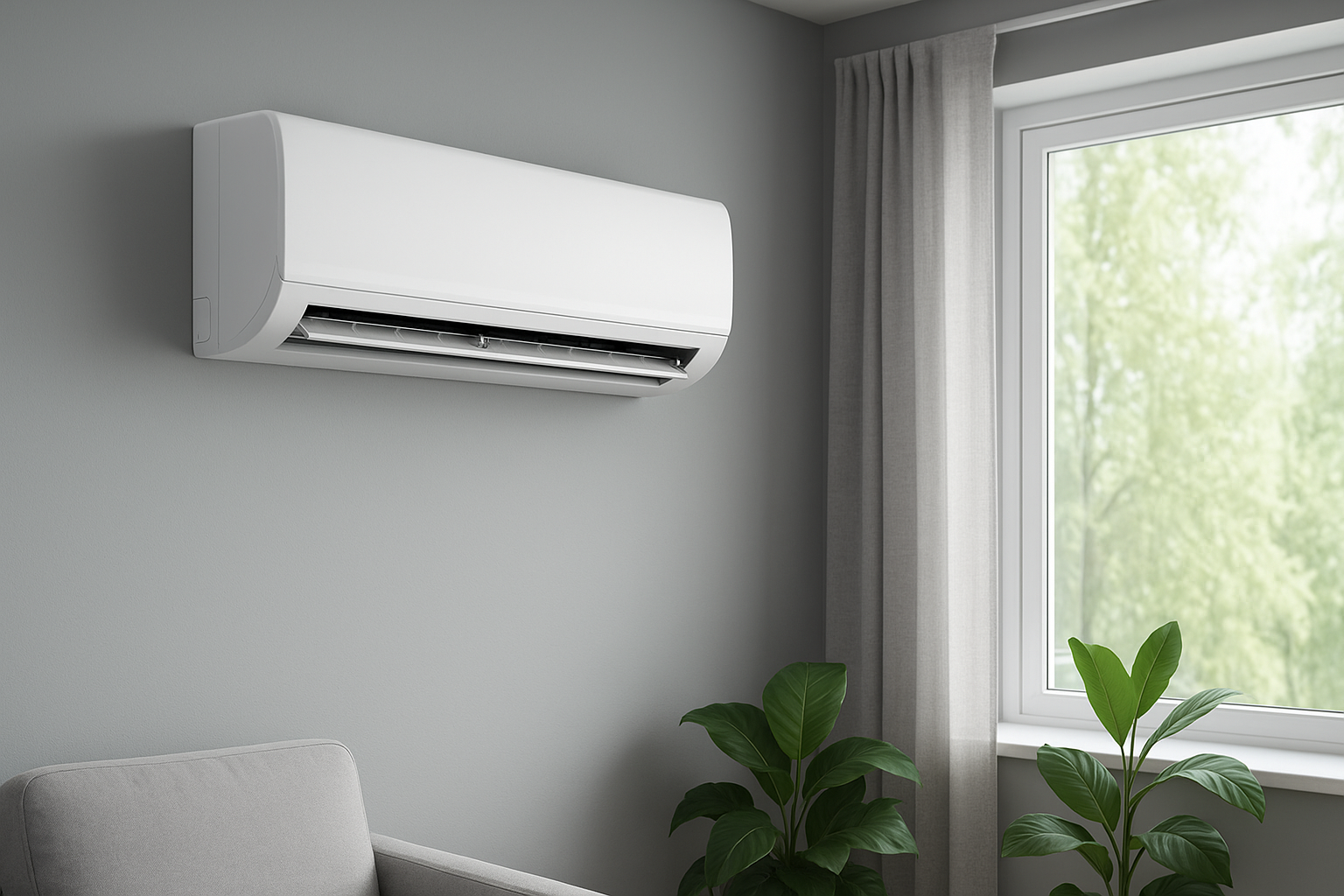
The world is getting hotter, bills are getting higher, and people are quietly making one smart switch that nobody predicted would explode this fast. In 2025, homeowners are no longer hunting for the cheapest AC — they’re hunting for the cheapest way to run one. Suddenly, a once-ignored cooling solution has become the hero of energy savings, comfort, and long-term affordability.
But here’s the twist. The spike isn’t just about heatwaves. It’s about fear — fear of rising electricity prices, failing old AC units, and unpredictable summers. Something bigger is happening in the cooling market, and mini split sales are now at the center of it all.
Why Mini Split Sales Are Breaking All Records Right Now
Cooling trends typically rise slowly. This time it was different. A perfect storm of extreme summers, rising energy tariffs, and government incentive programs pushed millions of homeowners into searching for smarter alternatives. Traditional HVAC systems are powerful but expensive. Window units are cheap but inefficient. Mini splits filled the gap perfectly, and demand skyrocketed faster than supply could handle.
What shocked analysts the most was that buyers weren’t only replacing old units — many were buying multiple mini splits at the same time. One for the living room. One for bedrooms. One for garages and home offices. This bulk-buying behavior heavily influenced the surge in mini split sales, pushing growth rates far past normal seasonal expectations and redefining the cooling market almost overnight.
The real momentum came from online search behavior. Queries like energy-efficient AC for home, ductless mini split cost, and best cooling system 2025 peaked globally. Retailers began reporting month-over-month spikes before summer even officially arrived. Simply put — people are planning earlier, spending smarter, and choosing long-term efficiency over short-term price tags.
The shift also signals trust. For years, central AC dominated the market while mini splits quietly improved in the background. Now, better compressors, Wi-Fi automation, zoning controls, and near-silent operation have made them highly desirable. Homeowners stopped asking, “Do mini splits work?” and started asking, “Which one should I buy?” That mindset change is a major reason mini split sales are now booming at a historic rate.
The Economics Behind the Explosion
Cooling is no longer about comfort alone. It’s financial survival. According to recent energy reports, home electricity costs have climbed up to 30% in many English-speaking countries since 2023. Families now spend more on powering AC units than on many other household utilities combined. This opened the door for ductless technology, which uses 30–60% less electricity than traditional systems.
Unlike central HVAC units that cool entire homes at once — including unused rooms — mini splits allow zone control. Homeowners cool only the spaces they need, when they need them. That personalization reduces energy waste dramatically and quickly justifies the upfront cost. This cost-saving advantage is one of the strongest drivers of mini split sales in 2025.
Another economic driver is longevity. Standard AC systems typically struggle after 8–10 years, often requiring costly repairs. Modern mini splits are engineered to last 15–20 years with fewer breakdowns. And when a component does fail, repairing one indoor unit is far cheaper than replacing an entire centralized system. Buyers are no longer thinking in seasons — they’re thinking in decades.
Financial incentives also played their part. Countries like the U.S., Canada, the UK, and Australia introduced rebate programs and energy-efficiency tax credits, making installations more affordable than ever. These benefits didn’t just encourage buying — they accelerated it. As a result, manufacturers are now struggling to keep inventories stocked as mini split sales continue accelerating beyond projections.
Smart Technology That Finally Makes AC “Intelligent”
Consumers used to buy air conditioners. Now they buy climate systems. Today’s mini splits come loaded with AI-assisted temperature learning, Wi-Fi scheduling, smart home integration, and even voice control through Google Home and Alexa. You can cool your home from your phone before you even step inside. That convenience factor has become a major selling point.
Smart sensors now detect room occupancy and adjust cooling automatically. If nobody is in a room, the system reduces power. If someone enters, it restores the ideal temperature instantly. This micro-adjustment technology not only improves comfort but dramatically lowers monthly energy usage, making systems more sustainable and cost-efficient. This innovation has played a massive role in driving mini split sales worldwide.
Another underrated breakthrough is silent performance. The newest models operate as low as 18–25 decibels — quieter than a whisper. That means undisturbed sleep, improved focus, and non-distracting background operation for home offices. As remote work remains mainstream, consumers want quiet solutions. For the first time, cooling tech isn’t just powerful — it’s calm, invisible, and intelligent.
Who’s Buying the Most Mini Splits in 2025?
The biggest buyers today are not commercial buildings — they’re homeowners aged 25 to 55. This demographic values efficiency, automation, long-term cost savings, and smart upgrades. Many buyers also live in suburban single-family homes where flexible installation is easier and zoning makes a significant difference in utility bills.
The second biggest surge comes from landlords and short-term rental owners. Platforms like Airbnb have normalized comfort ratings, and temperature control now impacts guest reviews. Property owners are installing multi-zone mini splits to improve ratings, lower maintenance, and increase nightly pricing potential. This unexpected segment alone contributed millions in global mini split sales this year.
Another rising category includes garage conversions, home gyms, backyard studios, and remote work offices. These customized spaces are rarely connected to central HVAC systems, making ductless cooling the most logical solution. Many buyers now treat a mini split purchase as part of a lifestyle upgrade, not just a seasonal necessity.
Most Popular Features Driving Purchase Decisions
Buyers today care less about brand names and more about value-based features. The most searched features include inverter compressor systems, Wi-Fi smart control, multi-zone capabilities, low-noise operation, auto climate sensors, and ultra-high SEER energy efficiency ratings.
Weather resilience is another major demand factor. Systems built to withstand extreme heat and freezing winters are seen as long-term investments. Units that offer both heating and cooling functions are selling faster than cooling-only models, especially in regions with unpredictable climates. This versatility directly impacts mini split sales growth.
Aesthetic design is influencing choices too. New models come in slim, modern, wall-mounted or ceiling-cassette styles that blend into home interiors. Buyers want systems that look premium and discreet. The days of bulky, loud, industrial-looking AC units are fading fast.
Installation Trends, Costs, and Realistic Expectations
Installation used to be one of the biggest concerns. Today, it’s one of the biggest selling points. Because mini splits are ductless, installation is faster, cleaner, and less invasive than traditional HVAC projects. Most homes can be fitted in a single day without tearing walls or ceilings apart. This convenience factor strongly boosts mini split sales.
However, pricing depends on zones, capacity, and labor rates. On average, a single-zone unit costs between $1,200 and $4,500 including installation. Multi-zone systems range higher depending on rooms covered. While upfront costs may seem heavy, buyers regain the investment through monthly energy savings within 12–36 months in most cases.
Experts recommend sizing units correctly. Oversized systems waste energy and short cycle. Undersized systems overwork and wear out faster. Online BTU calculators and professional assessments prevent costly mismatches. Smart shoppers now research performance, warranties, and seasonal efficiency ratings before purchasing.
Challenges the Market Still Faces
Despite the growth, the industry faces real challenges. Supply chain bottlenecks, seasonal demand surges, and technician shortages delay installations in peak months. Many regions report appointment wait times of 3–6 weeks during summer. This backlog actually fuels urgency in consumer buying behavior, further boosting mini split sales.
Another concern is cheap imitation units. The market is flooded with low-cost imports that lack durability, certified parts, and warranty support. While they look like bargains, they fail early and drive repair costs higher. Buyers are learning to prioritize trusted manufacturers and verified service providers over low sticker prices.
The industry is also pushing for better technician training to match demand. Proper refrigerant handling, insulation, pressure testing, and placement accuracy directly influence long-term performance. As awareness grows, so does the demand for certified installers rather than quick, low-cost labor options.
What to Expect in the Next 3 Years
The growth curve shows no sign of slowing. Analysts predict that global ductless cooling systems will exceed $200 billion in market value by 2030. Multi-zone systems, solar-powered mini splits, and even AI-predictive climate mapping are already in development. These innovations will push mini split sales into an entirely new adoption phase.
Expect deeper smart home integration, self-diagnosis features, filter quality tracking, and dynamic climate response technology. Future systems may even adjust automatically based on electricity pricing fluctuations in real time. The new era of cooling is not only about temperature — it’s about automation, cost intelligence, and sustainability.
Climate unpredictability will remain a major influence. As seasonal extremes worsen, demand won’t just rise — it will stabilize as a year-round necessity rather than a summer luxury. Mini splits are positioned to be the centerpiece of modern home climate control globally.
Final Verdict
The rise in mini split sales signals more than a trend — it signals a permanent shift in how homes stay cool. Consumers no longer want wasteful, noisy, or expensive systems. They want precision, savings, silence, and smart technology. Mini splits checked every box at the right time, and 2025 became their breakout year.
For anyone considering a cooling upgrade, waiting too long could mean higher prices, delayed installation, and limited stock. The market is moving fast, adoption is accelerating, and households are upgrading earlier than ever before.
If you don’t want another summer battling high bills and uneven room temperatures, this is the moment to rethink your cooling strategy. Explore your options, compare efficiency ratings, consult certified installers, and choose a solution that actually works smarter — not harder. The future of home comfort isn’t coming. It’s already here.
You may also read
The Untold Science of Human Duality That’s Reshaping Psychology
